E Number Basics
Articles explaining food additives, their safety, and regulatory standards in Europe. Topics include additive identification, health effects, sports drinks, and natural alternatives.

Are Sports Drinks Good for You?
Sports drinks help athletes stay hydrated during exercise, but they're not ideal for everyone and contain added sugars that most people don't need.

Complete List of ENumbers
Your quick reference guide to E number food additives used in the UK and EU, organized by what each code does.

Dangers and Side Effects of E Numbers
Some E numbers approved for use in food and drinks can trigger rashes, breathing problems, headaches and hyperactivity despite passing safety tests.

E Numbers and the European Union
The EU's E number system assigns unique codes to food additives that have passed safety testing and can be used across Europe.

E Numbers to Avoid
Some E numbers can trigger asthma attacks and allergic reactions, so asthmatics should check food labels and avoid certain additives.

How Safe Are E Numbers?
Most E numbers are safe because they're tested before food companies use them, though some are natural and others are lab-made copies of real substances.
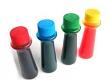
The FSA's Recommendations for 2009
The FSA asked UK food makers to remove six artificial colour additives from products by 2009 after research linked them to hyperactivity in children.

The Rise of Natural Colours
Food makers are ditching synthetic dyes for natural colours due to health concerns and stricter labelling rules.

What Are E Numbers?
E numbers are food additives used to preserve, colour, flavour and thicken processed foods, but many come from artificial sources.

Where Are E Numbers Found?
E numbers are hidden in most processed foods and even seemingly natural products like tinned fruit and frozen fish.